Thailand Safety Tips 2025 🇹🇭
Traveling in Thailand is generally safe, but being prepared and informed helps you avoid common risks and enjoy a smooth trip. This guide shares practical safety tips for tourists, including health, transport, scams, and what to do in emergencies.
These Thailand safety tips are designed to help tourists stay safe, avoid common risks, and travel with confidence.
🧭 Thailand Safety Tips for Travelers – Practical Advice
Thailand is considered one of the safest travel destinations in Southeast Asia. Violent crime against tourists is rare, and most visits are trouble-free. However, like anywhere in the world, travelers should stay aware of their surroundings and use common sense.
- Thailand is generally safe for solo travelers, families, and seniors
- Tourist areas are well-policed and used to international visitors
- Most safety issues involve minor theft, scams, or traffic accidents
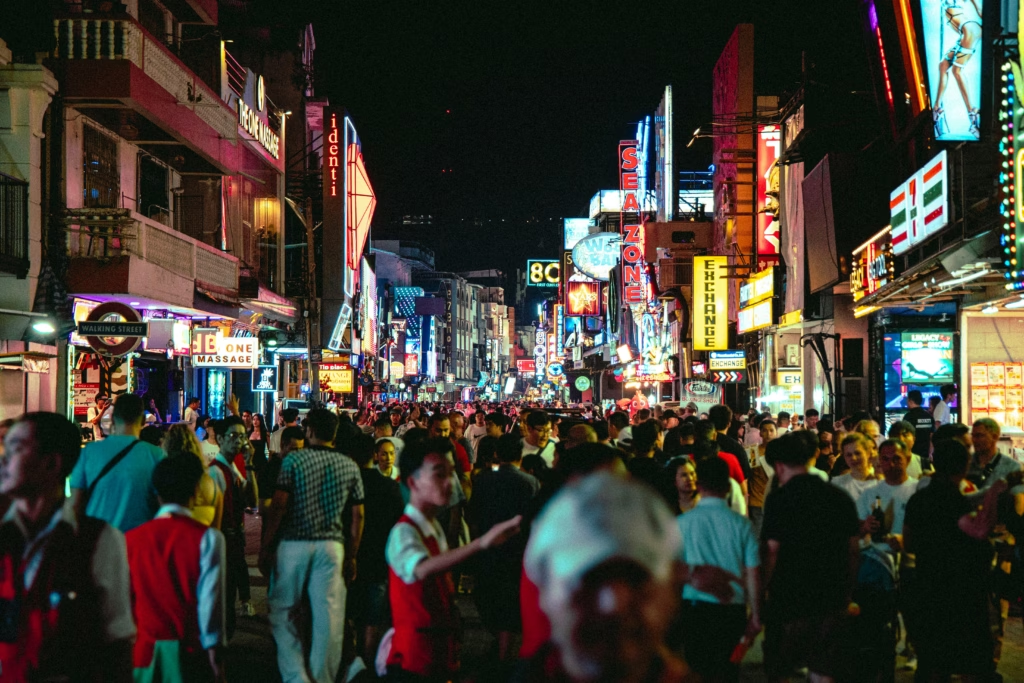
To stay safe in Thailand, avoid displaying valuables in public, keep your belongings secure in crowded areas, and be cautious in nightlife zones late at night. Use hotel safes when available and carry only what you need during the day.
Always respect Thai laws, local customs, and cultural norms. Acts considered minor elsewhere—such as disrespecting the Thai monarchy or religious sites—can carry serious legal consequences. Dress appropriately when visiting temples and follow posted rules.
Thailand is a welcoming country known for its hospitality. By staying informed, respecting local culture, and planning ahead, you can enjoy a safe, relaxed, and memorable trip.
🚨 Emergency Help in Thailand – Safety Tips
Following basic Thailand safety tips and knowing emergency procedures can significantly reduce risks while traveling.
In case of an emergency while traveling in Thailand, it is important to know who to call and how to get help quickly.
Thailand has nationwide emergency numbers that work from both local SIM cards and most international mobile phones. For a complete and up-to-date list, visit our dedicated page: Thailand Emergency Numbers
- Police: 191
- Medical Emergency / Ambulance: 1669
- Fire Department: 199
- Tourist Police (English-speaking assistance): 1155
If you are involved in an accident, feel threatened, or need urgent medical assistance, contact Thai emergency services first before reaching out to your embassy or travel insurance provider.
The Tourist Police (1155) are especially helpful for foreign visitors. They provide assistance in English and can help with theft reports, disputes, lost passports, and coordination with local authorities.
For medical emergencies, ambulances can take you to public hospitals or international private hospitals, depending on location and availability. If you have travel insurance, contact your insurer as soon as possible after receiving emergency care.
Save these emergency numbers on your phone before your trip and keep them accessible offline. Quick access can make a critical difference in an emergency situation.
🚕 Transport & Road Safety in Thailand
Road accidents are one of the biggest safety risks for travelers in Thailand, especially involving motorcycles and scooters. While public transport is generally safe, visitors should take extra care when moving around cities and islands.
- Motorbike accidents are the most common cause of tourist injuries
- Traffic rules may differ from what visitors are used to
- Road conditions can vary, especially in rural areas and during the rainy season
If you rent a scooter or motorbike, always wear a helmet and make sure you have the proper license. Many travel insurance policies do not cover accidents if you are riding without a valid license or helmet. Inspect the vehicle carefully before renting and take photos of existing damage.
Taxis, ride-hailing apps, and public transportation are safer alternatives. In major cities, use official taxis or apps like Grab to avoid overcharging. Avoid getting into unlicensed taxis, especially late at night.
When using tuk-tuks, agree on the price before starting the ride. Be cautious if drivers offer unsolicited tours or stops, as these may involve scams.
During heavy rain or at night, visibility can be poor. Avoid long-distance driving in unfamiliar areas after dark, and be especially careful on mountain roads.
By choosing reliable transport options and driving defensively, you can significantly reduce the risk of accidents while traveling in Thailand.
🩺 Health & Medical Safety in Thailand
Thailand has a well-developed healthcare system, with excellent private hospitals in major cities and tourist areas. Many doctors speak English, and medical standards are generally high, especially in international hospitals.
- Private hospitals offer faster service and English-speaking staff
- Public hospitals are affordable but may have longer waiting times
- Pharmacies are widespread and well-stocked
It is strongly recommended to have comprehensive travel medical insurance that covers accidents, hospitalization, and emergency evacuation. Medical costs at private hospitals can be high without insurance, even for minor treatments.
For minor illnesses, licensed pharmacies can provide over-the-counter medications. However, antibiotics and prescription drugs should only be taken under medical advice. If symptoms are serious or persistent, seek professional medical care.
To stay healthy while traveling in Thailand, drink bottled or filtered water, use sunscreen and insect repellent, and stay hydrated in hot weather. Food hygiene in Thailand is generally good, but travelers should eat at clean, reputable places.
In case of a medical emergency, call an ambulance immediately or visit the nearest hospital. For emergency phone numbers and medical assistance contacts, refer to our page on Thailand Emergency Numbers.
🌊 H2 – Natural Risks & Weather
Thailand’s tropical climate brings warm temperatures year-round, but travelers should be aware of seasonal weather patterns and natural risks, especially during the rainy season. Understanding local conditions can help you plan safely and avoid disruptions. For seasonal details and travel planning advice, see our guide on the best time to visit Thailand
- The rainy season generally runs from May to October
- Heavy rainfall can cause flooding in some areas
- Sea conditions may be dangerous during monsoon periods
During the monsoon season, strong winds and rough seas can lead to ferry cancellations, dangerous swimming conditions, and limited visibility for boating activities. Always follow local warnings, beach flags, and instructions from lifeguards. Red flags indicate that swimming is not safe.
Flash floods can occur in urban areas and low-lying regions after heavy rain. Avoid walking or driving through flooded streets, as water levels can rise quickly and hide hazards. In mountainous areas, landslides may occur after prolonged rainfall.
Thailand occasionally experiences tropical storms and, very rarely, earthquakes. While major natural disasters are uncommon, staying informed through local news and official alerts is advised. Hotels and tour operators usually provide guidance during severe weather events.
To reduce risks, plan outdoor activities according to weather forecasts, wear appropriate footwear during the rainy season, and allow flexibility in travel plans. Being weather-aware helps ensure a safe and enjoyable trip to Thailand.
🎭 Common Tourist Scams in Thailand
Most visits to Thailand are problem-free, but tourists should be aware of a few common scams, especially in busy tourist areas. Being informed is the best way to avoid unnecessary trouble or financial loss.
- Scams usually target first-time visitors
- They often occur near attractions, transport hubs, and nightlife areas
- A friendly approach is commonly used to gain trust
One of the most well-known scams is the “temple is closed” story, where someone claims an attraction is closed and offers to take you elsewhere. Politely decline and check opening times yourself.
Another common issue involves jet ski or motorbike rental damage claims. Some operators may accuse renters of causing damage that already existed. Always inspect vehicles carefully, take photos before renting, and use reputable rental shops.
Gem scams, unsolicited tour offers, and overly helpful strangers offering special deals should be approached with caution. If something sounds too good to be true, it usually is.
To stay safe, avoid sharing personal information with strangers, use licensed tour operators, and rely on official ticket counters or hotel recommendations. When in doubt, walk away and seek advice from tourist police or hotel staff.
🧍♀️ Solo Travelers, Families & Seniors
Thailand is generally a safe and welcoming destination for solo travelers, families, and senior visitors. With basic awareness and preparation, travelers of all ages can enjoy a comfortable and secure stay.
Solo Travelers
Solo travelers, including women, usually feel safe in Thailand, especially in popular tourist areas. Choose reputable accommodation, avoid poorly lit areas late at night, and inform someone of your plans when traveling alone. Using registered taxis, ride-hailing apps, or hotel-arranged transport adds an extra layer of security.
Families Traveling with Children
Thailand is very family-friendly, with hospitals, shopping centers, and attractions well equipped for children. Parents should keep an eye on young children in crowded places, near roads, and around water. Always use child-appropriate safety gear for activities and check that tour operators follow safety standards.
Seniors & Older Travelers
Senior travelers will find Thailand comfortable, with good medical facilities in major cities and tourist destinations. It is recommended to carry medical information, prescriptions, and travel insurance details at all times. Take extra care with heat, stay hydrated, and plan rest breaks when sightseeing.
For all travelers, keeping emergency contacts saved on your phone is essential. In case of urgent situations, refer to our complete guide: Thailand Emergency Numbers.
🆘 What To Do in an Emergency
If you face an emergency while in Thailand, staying calm and acting quickly is essential. Whether it’s a medical issue, an accident, or a safety concern, knowing the right steps can save time and reduce stress.
Immediate Steps to Take
- Ensure your safety first and move away from danger if possible.
- Call local emergency services immediately if there is a risk to life or serious injury.
- Clearly explain your location, the situation, and if medical help is needed.
- If language is a barrier, ask nearby locals, hotel staff, or security for assistance.
Emergency Contacts in Thailand
Thailand has reliable nationwide emergency services for police, medical assistance, and fire emergencies.
For a complete and up-to-date list, including tourist police and disaster hotlines, see our dedicated guide:
👉 Thailand Emergency Numbers – Complete Guide
(We recommend saving these numbers offline on your phone.)
After the Emergency
- Contact your hotel, host, or tour operator to inform them of the situation.
- If documents are lost or stolen, report the incident and contact your embassy or consulate.
- Keep copies of medical reports or police reports for insurance claims.
Helpful Tip
If you are a tourist, the Tourist Police can assist in English and help coordinate with local authorities when needed.
Police Emergency: 191
Call in case of crime, accidents, or immediate danger.
Medical Emergency / Ambulance: 1669
For serious injuries, sudden illness, or medical emergencies.
Fire Department: 199
For fires or dangerous situations involving smoke or explosions.
🏛️ Embassies & Consulates
Embassies and consulates provide official consular assistance to foreign nationals traveling in Thailand. They are especially important in serious situations such as lost passports, arrests, medical emergencies, or major incidents.
When to Contact Your Embassy or Consulate
- Your passport is lost or stolen
- You are arrested, detained, or involved in legal issues
- You experience a serious medical emergency
- You are a victim of a crime or accident
- You need help contacting family members back home
⚠️ Important Disclaimer (Country-Neutral)
Embassies and consulates do not replace local emergency services.
In urgent situations, always contact Thai police, ambulance, or emergency services first, then reach out to your embassy for consular assistance.
Embassies cannot:
- Pay hospital bills, fines, or legal fees
- Intervene in local court decisions
- Secure special treatment beyond local law
Their role is to assist, inform, and support, not to override Thai authorities.
✅ Embassy Safety Checklist (Save This)
Before or upon arrival in Thailand:
- 📱 Save your embassy phone number offline
- 🌐 Bookmark the official embassy website
- 📄 Keep digital & paper copies of your passport and visa
- 🧾 Store your insurance policy details
- 🏨 Note your hotel address and contact number
- 📝 Register with your embassy’s traveler registration system (if available)
Embassy Locations in Thailand
- Most embassies are located in Bangkok
- Some countries operate consulates in cities like Chiang Mai, Phuket, or Pattaya
- Emergency after-hours numbers are usually listed on the official embassy website
🔗 Official Embassy Contacts & Emergency Numbers
For verified embassy listings by region, emergency phone numbers, and tourist assistance contacts, refer to the dedicated guide:
👉 Thailand Emergency Numbers & Embassies – Complete Guide
🛡️ Travel Safety & EEAT Note
This information is intended to help travelers prepare responsibly and understand official procedures.
Phone numbers and embassy details may change—always verify information directly on official government or embassy websites.
🔗 Essential Travel Guides for Thailand
- ✅ Thailand Customs and Immigration 2025 – Entry rules, arrival procedures, and customs checks
- ✅ Thailand Visa Guide 2025 – Visa-free entry, extensions, and long-stay options (coming soon)
- ✅ Thailand Currency & Cash Guide – ATMs, exchange tips, and proof-of-funds rules
- ✅ VAT Refund Thailand – How to claim VAT refunds at airports before departure
- ✅ Thailand Digital Arrival Card (TDAC) – How and when to submit (coming soon)
Additional official travel information is available on the Tourism Authority of Thailand website.
🛎️ FAQ – Thailand Safety Tips
Yes, Thailand is generally safe for tourists. Violent crime against visitors is rare, especially in major cities and tourist areas. Most issues involve petty theft, scams, or traffic-related accidents, which can be avoided by staying alert and following basic safety precautions.
In tourist areas and major hospitals, English is commonly spoken.
The Tourist Police (1155) provide English-language assistance nationwide and are recommended for non-medical tourist issues.
Yes. Thailand has high-quality private hospitals in major cities and tourist destinations, many with international standards and English-speaking staff. Always carry travel insurance and emergency contact details.
Always contact Thai emergency services first in urgent situations.
Your embassy should be contacted afterward for consular support, such as passport replacement or legal assistance.
Absolutely. Save Thailand emergency numbers, your embassy contact, and your insurance hotline offline in case of poor signal or phone issues.
👉 Thailand Emergency Numbers & Embassies – Complete Guide
The most common risks include:
- Road accidents (especially scooters and motorcycles)
- Tourist scams
- Heat exhaustion and dehydration
- Monsoon-related flooding or storms
These risks can be minimized with planning and awareness.
The main emergency numbers in Thailand are:
- 191 – Police
- 1669 – Ambulance & medical emergencies
- 199 – Fire department
For a full list, see the complete guide:
👉 Thailand Emergency Numbers
By following these Thailand safety tips, travelers can reduce risks and enjoy their time in Thailand with peace of mind.
🤝 Our Trusted Travel Partners
To make your trip planning easier, we recommend using these trusted services:
Book your stay with Agoda – trusted by millions for the best hotels in Thailand and beyond.
Most popular destinations:
Bangkok Hotels |
Phuket Hotels |
Pattaya Hotels |
Chiang Mai Hotels |
Chon Buri
Find cheap flights to Thailand – compare prices across multiple airlines and booking sites.
Most Popular flight routes:
USA (JFK) to Bangkok Flights |
UK (LHR) to Bangkok Flights |
Germany (FRA) to Bangkok Flights |
Australia (SYD) to Bangkok Flights |
Japan (NRT) to Bangkok Flights |
Zurich (ZRH) to Bangkok Flights |
Milano (MXP) to Bangkok Flights
If your airport isn’t listed, search flights from anywhere
Explore tours and activities – book unique local experiences.
Popular tour destinations:
Bangkok Tours |
Phuket Tours |
Chiang Mai Tours |
Krabi Tours |
Pattaya Tours
If your destination isn’t listed, explore all tours and activities
Get travel insurance – protect your trip with reliable coverage.
Trusted providers:
EKTA Traveling Insurance |
Compensair Travel Insurance |