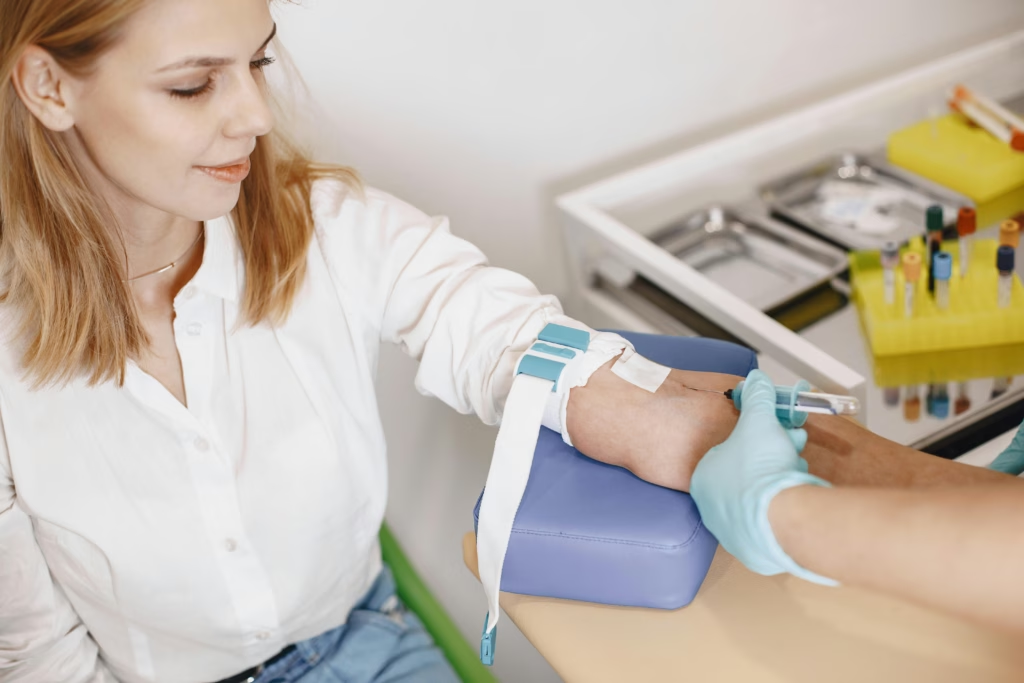
Thailand Vaccinations and Health Advice 2025 🇹🇭
Traveling to Thailand is generally safe, but staying healthy is an essential part of any trip. Knowing which vaccinations are recommended, how to avoid common illnesses, and what medical services are available can help you travel with confidence.
This guide provides practical Thailand vaccinations and health advice for tourists, digital nomads, long-stay visitors, and seniors. It covers recommended vaccines, mosquito-borne diseases, food and water safety, healthcare options, and what to do in a medical emergency.
With the right preparation, traveling to Thailand can be safe, healthy, and stress-free.
While Thailand has modern hospitals and good medical standards, preparation is key—especially if you plan to travel independently, visit rural areas, or stay for an extended period.
It is designed to help travelers make informed health decisions before and during their trip.
⚠️ This information is for general travel guidance only. Always consult a medical professional or official health authority before traveling.
🧬 Recommended Vaccinations – Thailand Health Advice
Before traveling to Thailand, it’s important to review your vaccination status and understand which vaccines are commonly recommended for travelers. While no specific vaccinations are mandatory for most visitors, several are advised depending on travel style, length of stay, and planned activities.
Thailand vaccinations recommendations vary based on factors such as visiting rural areas, long-term stays, adventure travel, or close contact with local communities.
✅ Commonly Recommended Vaccinations
Most travelers should ensure they are up to date with routine vaccines, including:
- Tetanus, Diphtheria & Pertussis (Tdap)
- Measles, Mumps & Rubella (MMR)
- Seasonal Influenza
These vaccines are usually part of standard immunization programs but may require boosters before travel.
🌍 Travel-Specific Vaccines for Thailand
Depending on your itinerary and length of stay, healthcare professionals may recommend additional vaccines such as:
- Hepatitis A – recommended for most travelers due to food and water exposure
- Hepatitis B – advised for long stays, medical procedures, or close contact with locals
- Typhoid – recommended for travelers visiting rural areas or eating outside major tourist zones
- Rabies – considered for long-term travelers, outdoor activities, or animal exposure
Not all travelers need every vaccine. A medical professional can assess your personal risk based on your travel plans.
🧳 Who Should Pay Extra Attention
Vaccination planning is especially important for:
- Long-stay travelers and digital nomads
- Seniors and travelers with chronic conditions
- Families traveling with children
- Travelers visiting rural areas or remote islands
For these groups, early consultation with a travel clinic is strongly advised.
⚠️ Important Medical Disclaimer
This information provides general Thailand vaccinations and health advice for travelers. Always consult a qualified healthcare provider or travel medicine specialist before making medical decisions.
🦟 Mosquito-Borne Diseases (Dengue, Zika, Malaria)
Mosquito-borne diseases are one of the most common health concerns for travelers in Thailand. While the overall risk for most visitors is low, awareness and simple prevention measures can significantly reduce the chance of infection.
Mosquitoes are present year-round in Thailand, with higher activity during the rainy season. The most relevant mosquito-borne diseases for travelers include dengue fever, Zika virus, and, in limited areas, malaria.
🟠 Dengue Fever in Thailand
Dengue is the most common mosquito-borne illness affecting travelers in Thailand. It is found in both urban and rural areas.
- There is no specific vaccine routinely recommended for short-term travelers
- Dengue mosquitoes bite mostly during the daytime
- Risk increases during the rainy season (roughly May to October)
To reduce risk, travelers should use insect repellent, wear long sleeves when possible, and stay in accommodations with screens or air conditioning.
🟡 Zika Virus
Zika virus is present in Thailand but usually causes mild or no symptoms in most people.
- Most cases are not severe
- Extra caution is advised for pregnant travelers
- Preventing mosquito bites is the primary protection
Travelers with health concerns should consult a medical professional before traveling.
🟢 Malaria Risk in Thailand
Malaria risk in Thailand is very low for most tourists.
- It is mainly confined to remote border areas
- Major cities and popular tourist destinations are considered low-risk
- Standard travelers rarely require malaria-specific precautions
Healthcare professionals can advise based on specific travel routes and duration.
🛡️ How to Protect Yourself from Mosquito Bites
Simple precautions can greatly reduce mosquito-related health risks:
- Use insect repellent, especially during daytime and early evening
- Wear light-colored clothing with long sleeves and pants
- Use mosquito nets or plug-in repellents where needed
- Keep windows and doors closed or screened
- Avoid standing water near accommodation when possible
These preventive steps are an essential part of Thailand health advice for travelers.
⚠️ Health Advisory Note
This section provides general information about mosquito-related health risks in Thailand. It does not replace professional medical advice. Travelers with specific health concerns should consult a healthcare provider before departure.
💊 Food, Water & Hygiene Safety
Food and water safety is an important part of staying healthy while traveling in Thailand. While Thai cuisine is widely enjoyed and food hygiene standards are generally good, travelers should follow basic precautions to reduce the risk of stomach illness or food-related infections.
With simple awareness and good hygiene habits, most visitors experience no health issues related to food or water during their trip.
🚰 Drinking Water in Thailand
Tap water in Thailand is not recommended for drinking.
- Use bottled or filtered water for drinking and brushing teeth
- Ice in restaurants is generally safe, especially in tourist areas
- Avoid swallowing water while showering or swimming
Most hotels, restaurants, and shops provide easy access to bottled water at low cost.
🍽️ Food Safety Tips for Travelers
Thailand is famous for street food, and many travelers enjoy it safely every day. To reduce risk:
- Choose busy food stalls with high turnover
- Eat freshly cooked food served hot
- Avoid food that has been sitting uncovered
- Wash hands or use hand sanitizer before eating
In restaurants, food hygiene standards are generally high, especially in tourist areas.
🧼 Hygiene & Personal Health Tips
Good personal hygiene helps prevent common travel illnesses:
- Wash hands frequently, especially before meals
- Carry alcohol-based hand sanitizer
- Avoid touching your face with unwashed hands
- Cover cuts or wounds to prevent infection
Public restrooms vary in quality, so carrying tissues and sanitizer is recommended.
🧊 Ice, Fruits & Raw Foods
- Ice is usually made from purified water and is safe in most places
- Wash or peel fruits before eating when possible
- Be cautious with raw or undercooked seafood, especially in hot weather
If you have a sensitive stomach, introduce new foods gradually.
⚠️ Health Disclaimer
These food and water safety tips form part of general Thailand health advice for travelers. Individual tolerance varies, and travelers with medical conditions should take extra care.
🏥 Healthcare & Hospitals in Thailand
Thailand has a well-developed healthcare system and is known internationally for the quality of its medical services. Travelers have access to both public and private hospitals, with private facilities offering faster service and English-speaking staff, especially in major cities and tourist destinations.
Understanding how healthcare works in Thailand can help travelers respond quickly and confidently in case of illness or injury.
🏥 Public vs Private Hospitals
Thailand offers two main types of medical facilities:
Private Hospitals
- Modern facilities and international standards
- English-speaking doctors and staff
- Shorter waiting times
- Higher costs without insurance
Public Hospitals
- Lower treatment costs
- Qualified medical professionals
- Longer waiting times
- Limited English in some locations
Most tourists choose private hospitals for convenience, especially in Bangkok, Phuket, Chiang Mai, and Pattaya.
🌍 International Hospitals & Medical Tourism
Thailand is a global hub for medical tourism. Many private hospitals meet international accreditation standards and treat patients from around the world.
- High-quality care for emergencies and routine treatments
- Modern diagnostic equipment
- Widely used by expatriates and long-stay travelers
Doctors in private hospitals often have international training and are familiar with treating foreign patients.
💊 Pharmacies & Medication
Pharmacies are widespread and easy to find across Thailand.
- Many common medications are available without prescription
- Pharmacists can assist with minor health issues
- Prescription medication should only be taken under medical guidance
For serious symptoms or ongoing conditions, visiting a hospital is recommended instead of self-treatment.
🧾 Medical Costs & Payment
Medical treatment in Thailand is generally affordable compared to Western countries, but costs can add up quickly in private hospitals.
- Payment is usually required upfront
- Credit cards are widely accepted
- Travel medical insurance helps avoid unexpected expenses
Travelers should keep receipts and medical reports for insurance claims.
⚠️ Important Note
Healthcare quality is generally excellent in Thailand, but standards may vary outside major cities. Travelers with existing medical conditions should plan ahead and identify suitable hospitals near their accommodation.
💼 Travel Medical Insurance Advice
Travel medical insurance is strongly recommended for anyone visiting Thailand, regardless of trip length. While healthcare quality is high, especially in private hospitals, medical costs can become significant without proper insurance coverage.
Having suitable insurance ensures access to quality care and financial protection in case of illness, accidents, or unexpected medical emergencies.
🛡️ Why Medical Insurance Is Important in Thailand
Even short trips can involve health risks such as accidents, food-related illness, or sudden medical conditions.
Travel medical insurance typically helps cover:
- Emergency medical treatment
- Hospitalization and surgery
- Ambulance services
- Emergency evacuation or repatriation
- Prescription medication related to treatment
Private hospitals usually require proof of insurance or upfront payment before treatment.
📄 What Your Policy Should Cover
When choosing insurance for Thailand, look for policies that include:
- Coverage for emergency treatment and hospitalization
- Medical evacuation to your home country if needed
- Coverage for motorbike or scooter accidents (if applicable)
- Pre-existing condition coverage (if relevant)
Always read policy terms carefully, especially exclusions.
🏍️ Motorbike & Activity Coverage
Motorbike accidents are a common cause of tourist injuries in Thailand.
- Many policies exclude coverage if riding without a valid license
- Wearing a helmet may be a condition for coverage
- Adventure activities may require additional coverage
Travelers should ensure their policy matches their planned activities.
🧾 Insurance Tips for Travelers
- Carry a digital and printed copy of your insurance policy
- Save emergency contact numbers provided by your insurer
- Contact your insurer as soon as possible after receiving medical care
- Keep all medical documents and receipts
These steps help speed up assistance and claims processing.
⚠️ Important Disclaimer
Insurance coverage varies by provider and policy. This section provides general Thailand health advice and does not replace reading and understanding your individual insurance terms.
🧳 Health Tips for Long Stays & Seniors
Travelers staying in Thailand for extended periods, as well as senior visitors, should pay extra attention to health planning. Thailand is a popular destination for long-stay travelers, retirees, and digital nomads thanks to its climate, lifestyle, and healthcare facilities, but preparation is essential for a safe and comfortable stay.
With the right precautions, long-term visitors and seniors can enjoy Thailand with confidence and peace of mind.
🕰️ Health Planning for Long-Term Stays
For travelers staying several weeks or months:
- Schedule a health check before departure
- Bring sufficient prescription medication for your stay
- Carry copies of prescriptions and medical records
- Identify nearby hospitals or clinics in advance
Long-stay travelers may also consider periodic health check-ups at private hospitals, which are widely available and affordable compared to many Western countries.
👵 Health Advice for Seniors
Thailand is generally safe and comfortable for senior travelers, especially in major cities and tourist areas.
Key tips for seniors include:
- Stay hydrated and avoid excessive heat exposure
- Plan rest breaks during sightseeing
- Wear comfortable footwear to prevent falls
- Avoid overexertion in hot and humid conditions
Seniors with chronic conditions should keep a list of medications, allergies, and emergency contacts easily accessible.
💊 Medication & Prescriptions
- Some medications may be available over the counter in Thailand
- Brand names may differ from home countries
- Controlled substances may have restrictions
Always check regulations before traveling and consult a healthcare professional if unsure.
🏥 Accessing Healthcare During Long Stays
Long-term visitors should:
- Choose accommodation near reliable medical facilities
- Consider comprehensive medical insurance with long-stay coverage
- Save local emergency numbers and hospital contacts
Private hospitals in Thailand are well-equipped to handle ongoing medical needs, follow-ups, and routine care.
⚠️ Health Advisory Note
This section provides general Thailand health advice for long-stay travelers and seniors. Individual health needs vary—always consult a healthcare professional for personalized recommendations.
🚨 What to Do in a Medical Emergency in Thailand
In the event of a medical emergency while in Thailand, acting quickly and knowing the correct steps can be life-saving. Thailand has reliable emergency medical services, especially in cities and major tourist areas, but being prepared helps ensure faster and more effective assistance.
🆘 Immediate Steps to Take
If you or someone with you needs urgent medical care:
- Ensure personal safety first and move away from danger if possible
- Call emergency medical services immediately
- Clearly explain:
- Your location (hotel name, street, landmark)
- The medical condition or injury
- Whether an ambulance is required
- Ask hotel staff, locals, or security personnel for help if language is a barrier
📞 Emergency Medical Numbers in Thailand
- Medical Emergency / Ambulance: 1669
- Police Emergency: 191
- Fire Department: 199
- Tourist Police (English-speaking): 1155
👉 For a complete and verified list, visit:
Thailand Emergency Numbers – Complete Guide
(We strongly recommend saving these numbers offline.)
🏥 Going to a Hospital or Clinic
If an ambulance is not required:
- Go to the nearest private hospital for faster service and English-speaking staff
- Public hospitals are available but may involve longer waiting times
- Bring your passport, insurance details, and any medical records
Most private hospitals in Thailand can coordinate directly with international insurance providers.
💼 Travel Insurance & Payments
- Contact your travel insurance provider as soon as possible
- Keep copies of medical reports, receipts, and prescriptions
- Some hospitals may require upfront payment before treatment
Having medical insurance significantly reduces stress and financial risk during emergencies.
🌍 After the Emergency
Once the situation is stable:
- Inform your accommodation or tour operator
- Contact family members if needed
- Reach out to your embassy or consulate for serious cases
Embassies can assist with documentation and family contact but do not replace local emergency services.
⚠️ Important Safety Note
In urgent situations, always contact Thai emergency services first, then your embassy or insurance provider. Time is critical in medical emergencies.
🔗 Essential Travel Guides for Thailand
- ✅ Thailand Customs and Immigration 2025 – Entry rules, arrival procedures, and customs checks
- ✅ Thailand Visa Guide 2025 – Visa-free entry, extensions, and long-stay options (coming soon)
- ✅ Thailand Currency & Cash Guide – ATMs, exchange tips, and proof-of-funds rules
- ✅ VAT Refund Thailand – How to claim VAT refunds at airports before departure
- ✅ Thailand Digital Arrival Card (TDAC) – How and when to submit (coming soon)
- ✅ Thailand Emergency Numbers – Police, Ambulance & Tourist Assistance
- ✅ Thailand Safety Tips – Essential safety advice for travelers visiting Thailand
Additional official travel information is available on the Tourism Authority of Thailand website.
Do travelers need Thailand vaccinations and health advice before departure?
Yes. While Thailand is generally safe, following official Thailand vaccinations and health advice before departure helps reduce health risks. A medical professional can recommend vaccines and preventive measures based on your travel style, length of stay, and destinations.
Are vaccinations required to travel to Thailand?
No, vaccinations are not mandatory for most travelers entering Thailand. However, healthcare authorities strongly recommend being up to date with routine vaccines and considering additional vaccinations depending on travel plans and personal health conditions.
Following official Thailand vaccinations and health advice helps reduce health risks and ensures a safe and enjoyable trip.
🤝 Our Trusted Travel Partners
To make your trip planning easier, we recommend using these trusted services:
Book your stay with Agoda – trusted by millions for the best hotels in Thailand and beyond.
Most popular destinations:
Bangkok Hotels |
Phuket Hotels |
Pattaya Hotels |
Chiang Mai Hotels |
Chon Buri
Find cheap flights to Thailand – compare prices across multiple airlines and booking sites.
Most Popular flight routes:
USA (JFK) to Bangkok Flights |
UK (LHR) to Bangkok Flights |
Germany (FRA) to Bangkok Flights |
Australia (SYD) to Bangkok Flights |
Japan (NRT) to Bangkok Flights |
Zurich (ZRH) to Bangkok Flights |
Milano (MXP) to Bangkok Flights
If your airport isn’t listed, search flights from anywhere
Explore tours and activities – book unique local experiences.
Popular tour destinations:
Bangkok Tours |
Phuket Tours |
Chiang Mai Tours |
Krabi Tours |
Pattaya Tours
If your destination isn’t listed, explore all tours and activities
Get travel insurance – protect your trip with reliable coverage.
Trusted providers:
EKTA Traveling Insurance |
Compensair Travel Insurance |